The Ghana Real Estate Developers Association (GREDA) has urged the government to initiate a renewed and focused dialogue aimed at addressing the country’s growing housing deficit, now estimated at approximately 2.1 million units. This call comes as the need for a pragmatic, long-term approach to solving the housing crisis becomes increasingly urgent.
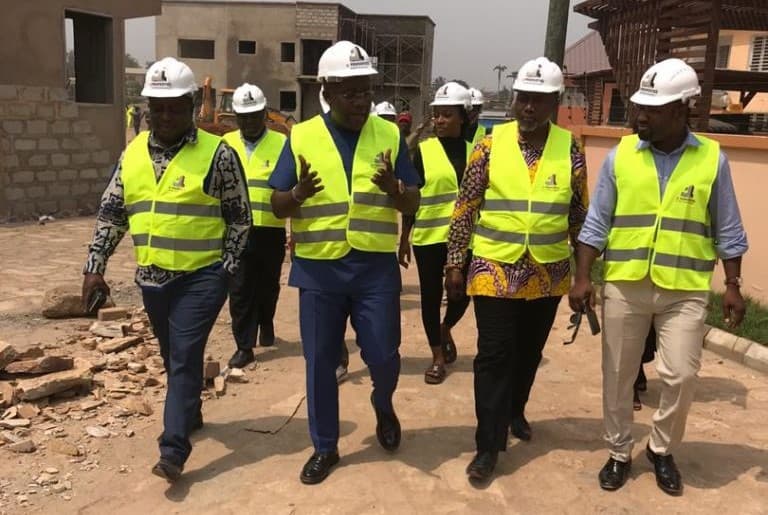
GREDA’s President, Mr. Patrick Ebo Bonful, emphasized the importance of defining what truly constitutes “affordable” housing in the Ghanaian context. During a visit to several estates developed by JL Properties—one of the country’s prominent real estate developers—Mr. Bonful stressed that meaningful action must target those within the lowest income brackets. He expressed GREDA’s readiness to support government efforts in developing social housing solutions for the most vulnerable, provided there is a genuine commitment from the state to address homelessness and inadequate shelter.
The call for dialogue is further supported by findings from the 2010 Population and Housing Census, which offered numerous policy recommendations aimed at improving both the supply and efficiency of Ghana’s housing market. These recommendations provide a critical backdrop for GREDA’s proposal and underscore the importance of private-public collaboration.
Key suggestions from the census include promoting greater private sector involvement in housing delivery, improving access to land for developers, and establishing a National Housing Trust Fund to channel private capital into housing and infrastructure investments. Additionally, the report called for the promotion of public-private partnerships (PPPs) to drive housing development.
Several other actionable recommendations were made: fostering a more attractive environment for investment in rental housing, encouraging rent-to-own models, rehabilitating abandoned properties, and expanding rental housing through slum upgrading. The census also highlighted the importance of upgrading existing housing stock through community-based maintenance initiatives, the enforcement of building codes, and the development of facility management systems such as maintenance bonds.
Crucially, the report placed strong emphasis on promoting social and low-income housing through mechanisms like MMDA-led rent deposit guarantees, housing cooperatives with access to bank funding, the use of local building materials, and community-driven infrastructure financing. It also advocated for slum revitalization strategies to integrate such settlements into broader urban development plans.
However, despite the robustness of these recommendations, implementation has been limited or slow, leaving many of the proposed solutions unrealized. This stagnation, GREDA argues, has contributed to the widening housing gap.
To address these persistent challenges, Mr. Bonful revealed that GREDA has submitted proposals to the government, which include land reforms and a comprehensive review of mortgage laws to make home financing more accessible. He reiterated the association’s willingness to engage in discussions, believing that with governmental support, the private sector can significantly increase housing access for underserved populations.
Commending the efforts of JL Properties, Mr. Bonful praised Executive Chairman Dr. James Orleans-Lindsay for his role in tackling the housing shortfall. Dr. Orleans-Lindsay, in turn, echoed the urgency of the situation. While most real estate developments target middle- and upper-income earners, he noted, the lack of affordable housing often leads to informal settlements springing up around gated communities—raising concerns about security and urban planning.
Dr. Orleans-Lindsay warned of the dangers of urban inequality, drawing a parallel with Brazilian cities like São Paulo, where extreme socio-economic divides pose risks to both the wealthy and the poor. He stressed that without inclusive housing strategies, Ghana could face similar challenges.
Both GREDA and JL Properties expressed hope that government engagement would begin promptly, allowing for the development of a collaborative and realistic plan to meet the housing needs of all Ghanaians.
Written by
Evans Yeboah